Drawings & repair limits
Project city and state, marked-up plans, removal areas and depths, reinforcement details and any structural or access restrictions. Feet, inches and cubic yards are welcome.
Hydrodemolition, concrete repairs and sprayed concrete (shotcrete) for bridges, marine structures and infrastructure rehabilitation. Discuss your U.S. removal and reinstatement requirements with our team.
Reviewing selected U.S. opportunities. Mobilization assessed for each project.
Discuss concrete removal and reinstatement together. We review your drawings, repair limits, specified materials and working conditions to develop a scope that suits the structure.
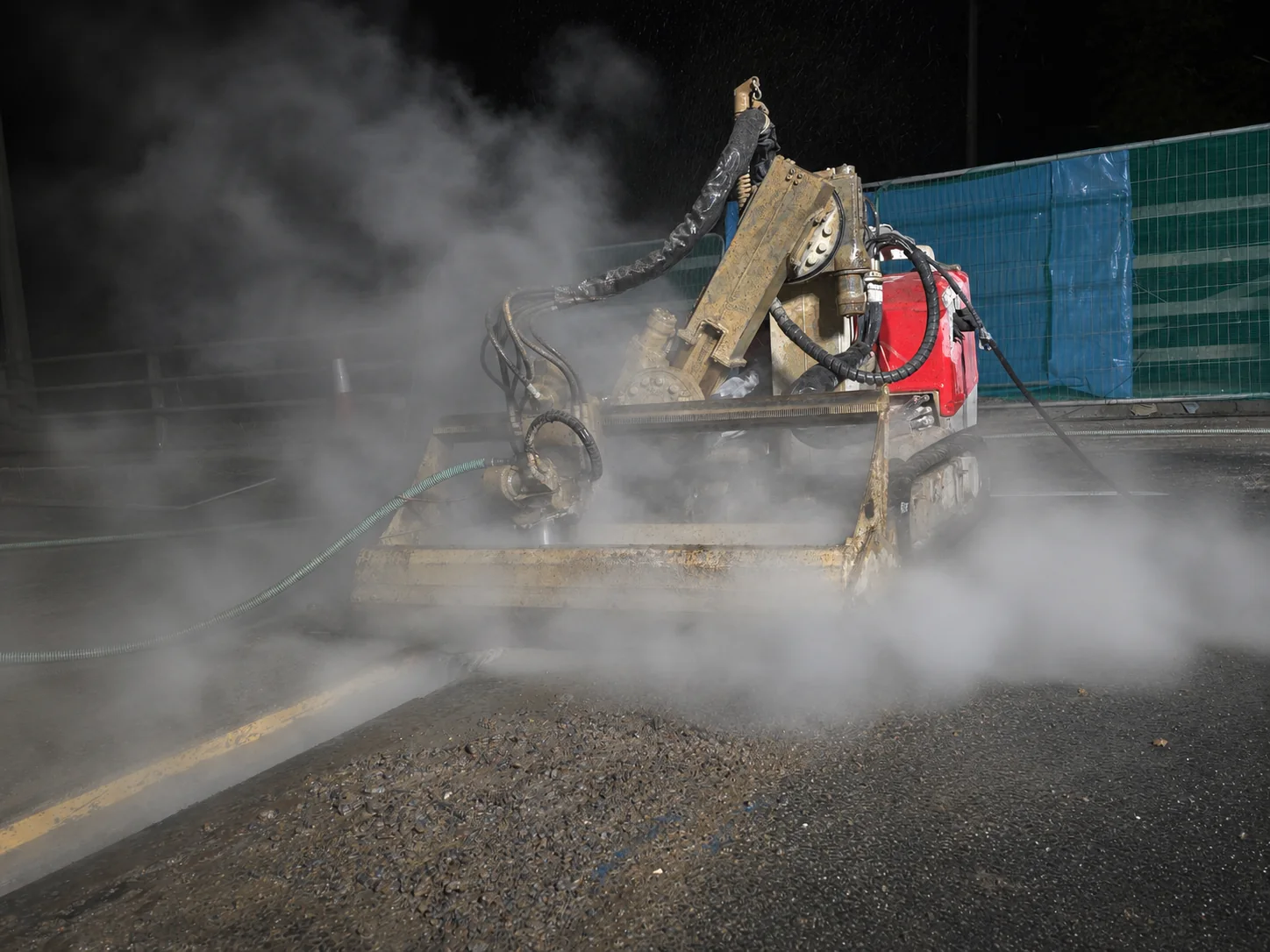
Hydrodemolition can expose reinforcing steel and leave a roughened surface for repair, while avoiding the impact-induced microcracking associated with percussive removal.
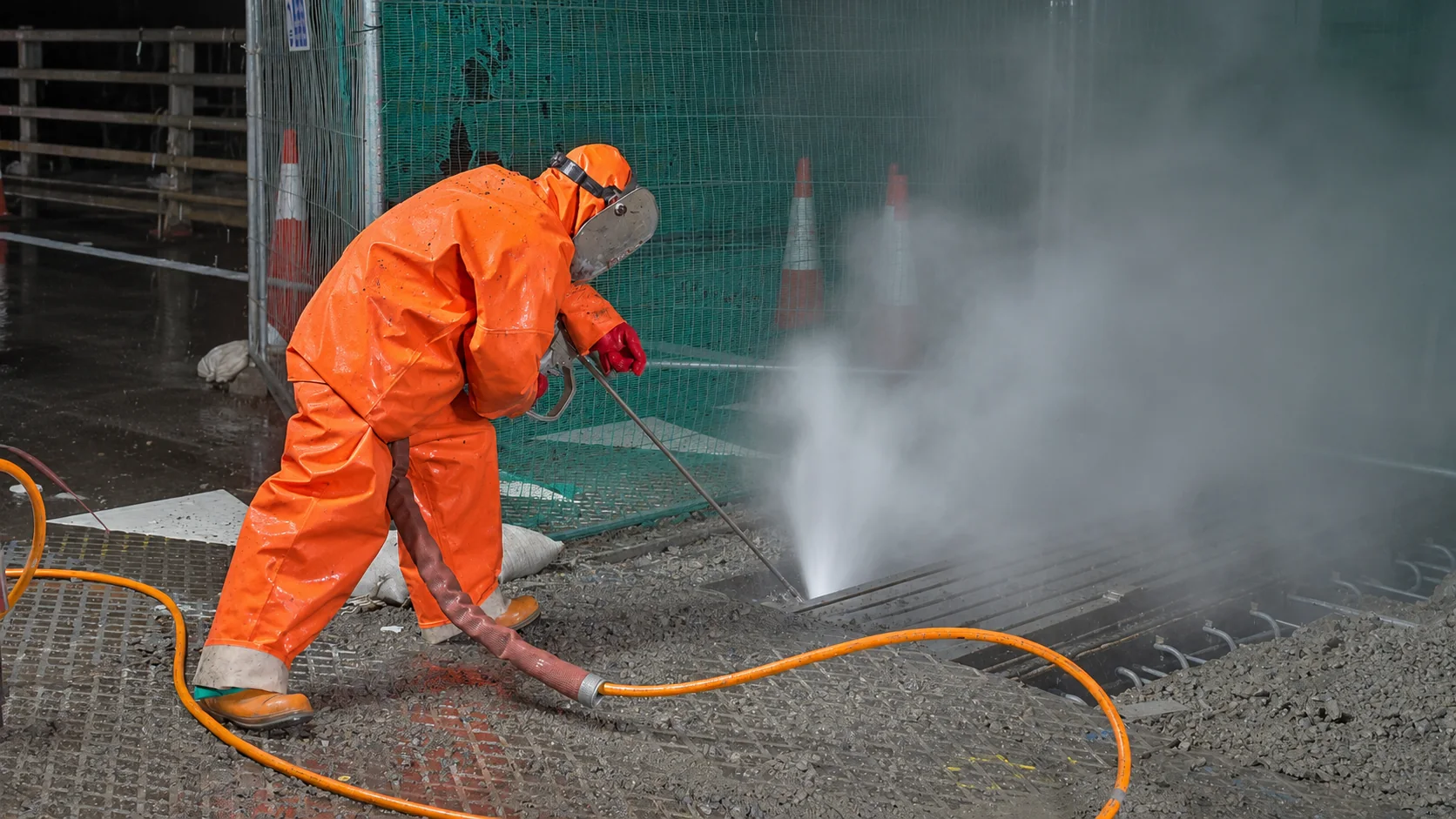
Robotic and hand-lance concrete removal for accessible decks, larger areas, localized repairs and restricted details. The method and settings are matched to the workface and required depth.
Repair and reinstatement of deteriorated concrete on bridges, marine structures, parking garages and industrial assets. Repair materials, reinforcement treatment and replacement concrete follow the project engineer’s specification.
Sprayed concrete for suitable structural repair and rehabilitation areas. Application method, reinforcement, thickness, finish, curing and quality requirements are reviewed for each project.
Removal limits, structural capacity and any temporary support remain subject to the project engineer’s assessment.
Concrete removal, repair and reinstatement for infrastructure rehabilitation and demanding industrial environments.
Selective concrete removal for bridge deck rehabilitation, parapets, piers, abutments and expansion-joint repair zones.
Concrete removal from slabs, beams and columns, with access, reinforcement and structural limits assessed before selecting the method.
Project reviews for quays, jetties, piles and reinforced marine concrete, with particular attention to containment and the water environment.
Targeted removal around foundations and concrete structures, planned around operational access and protection of adjacent assets.
Prepared repair areas reinstated with specified repair materials or sprayed concrete where suitable, with thickness, finish and curing requirements agreed.
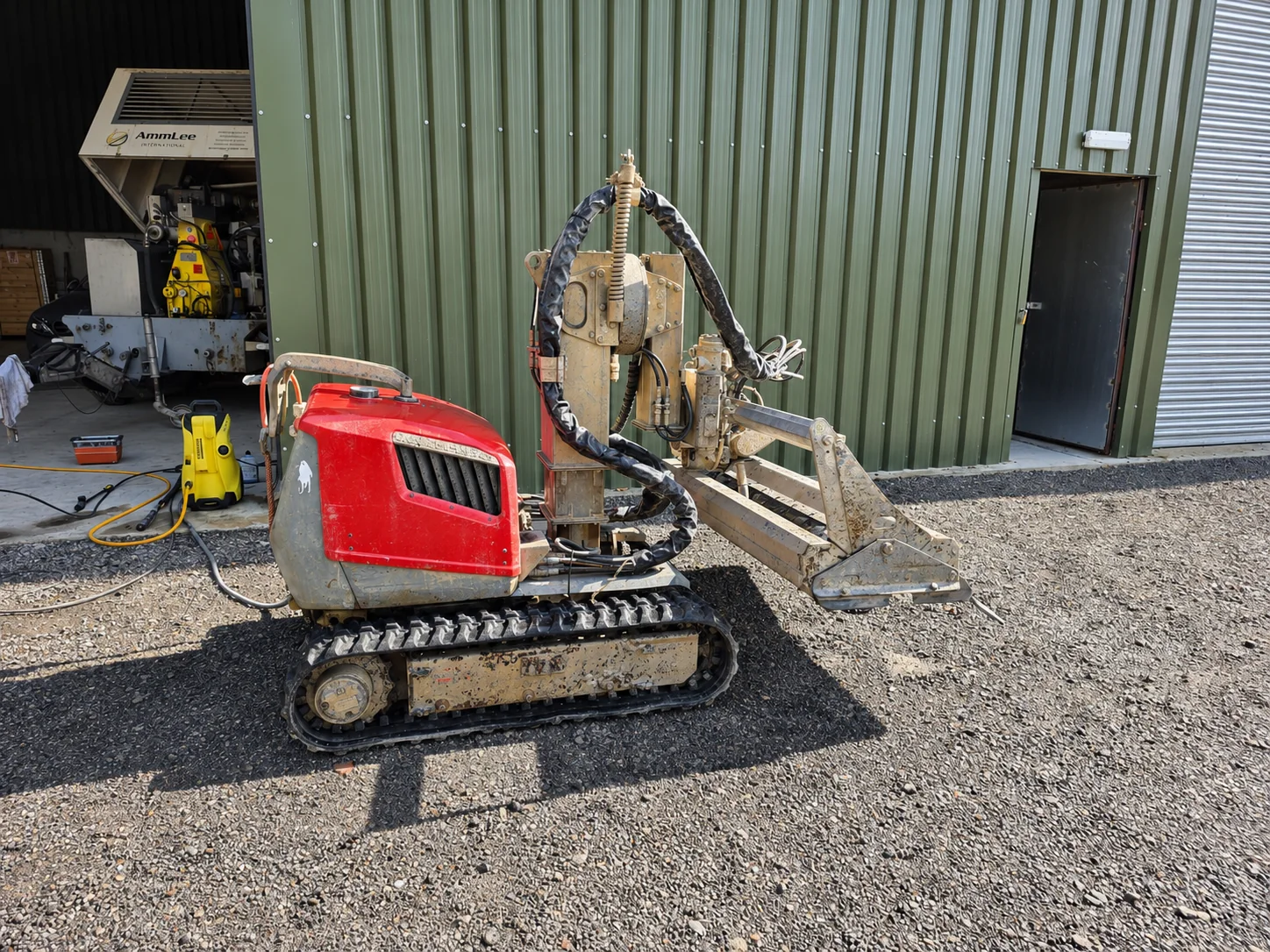
A selection of Ammlee equipment and project photographs from our international operations. The workface, concrete condition and repair specification determine the equipment and removal method.
Controlled passes for concrete removal.
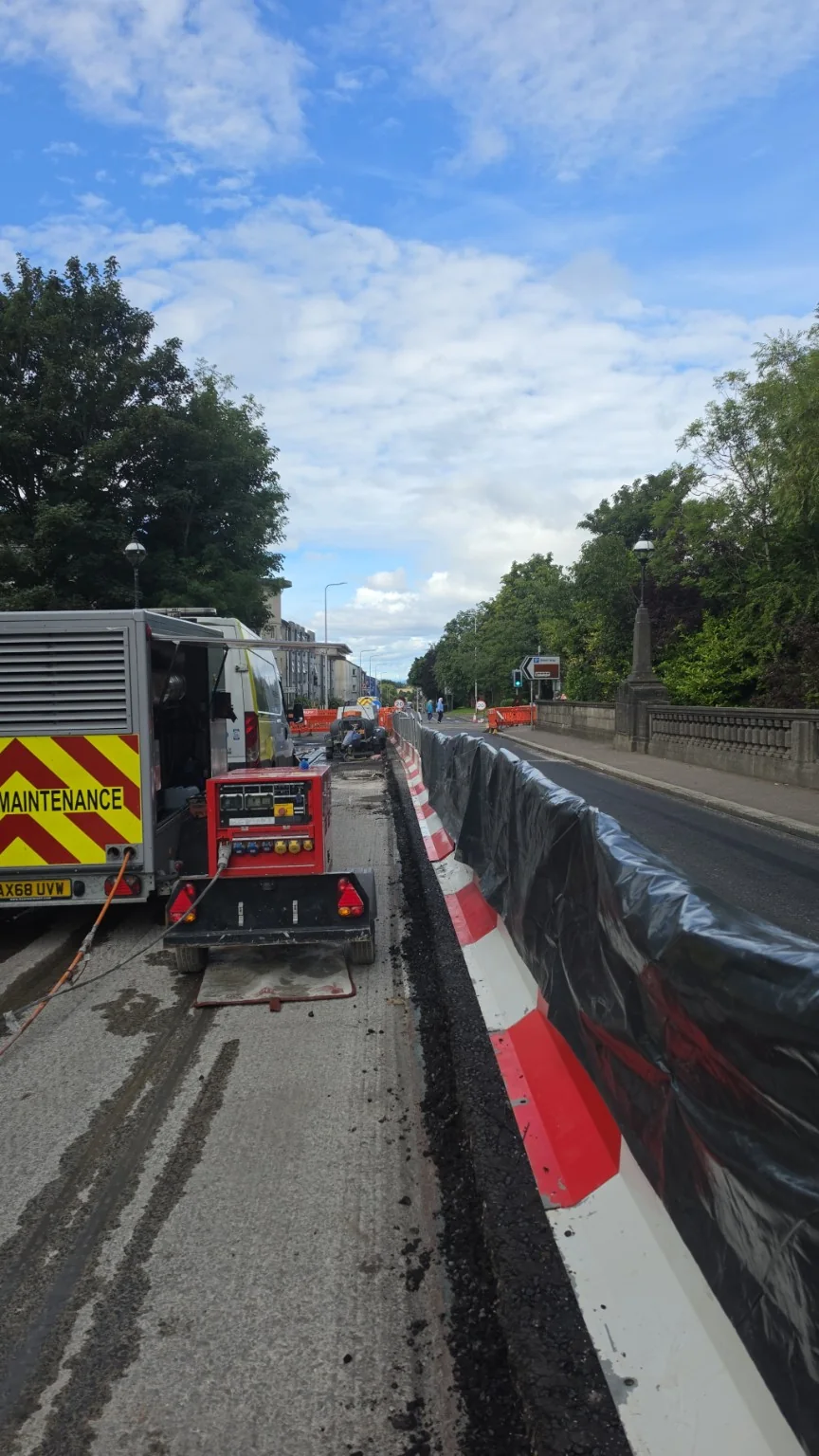
Equipment, access and protection planned together.
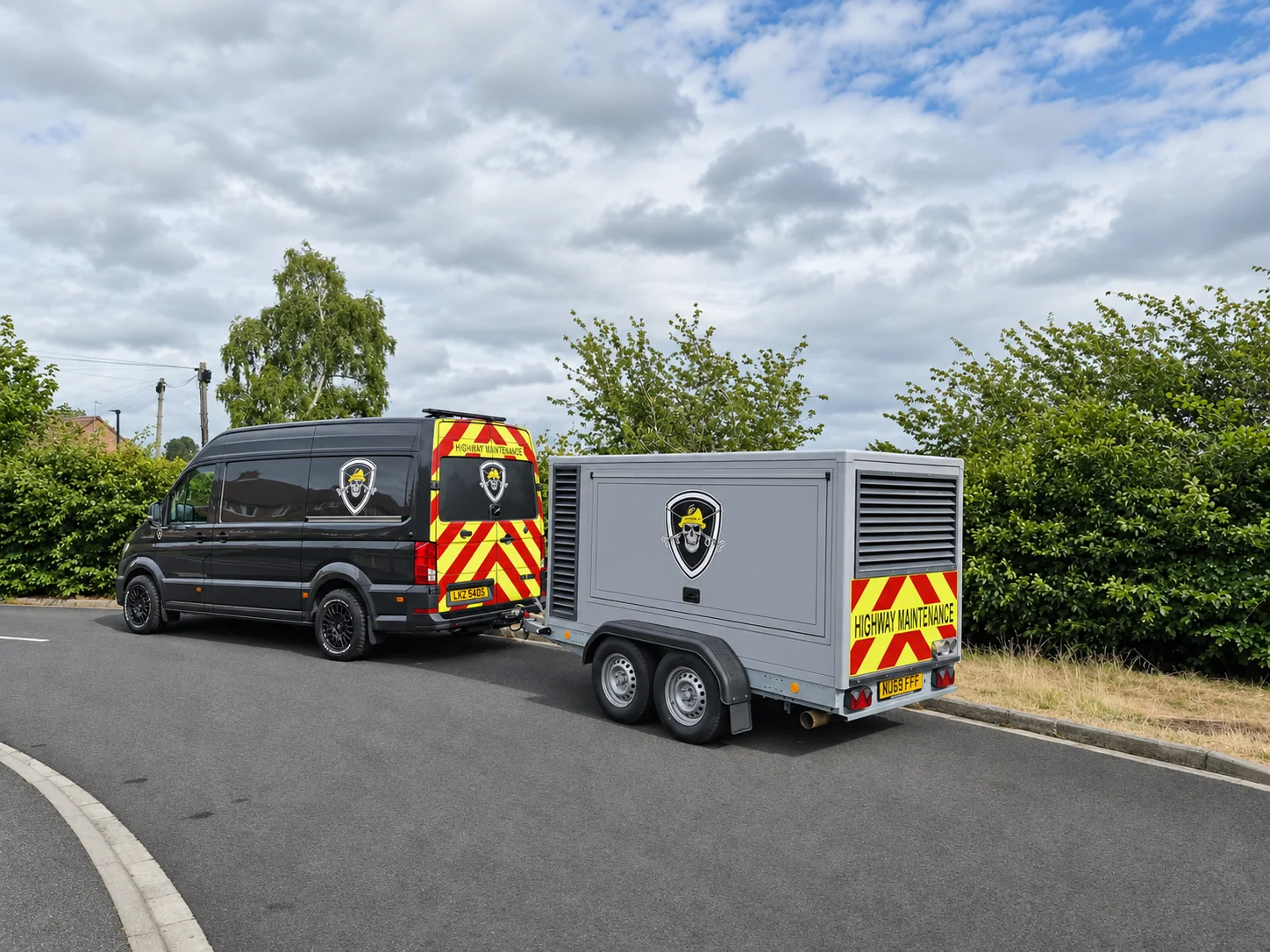
Ammlee fleet and pumping equipment.
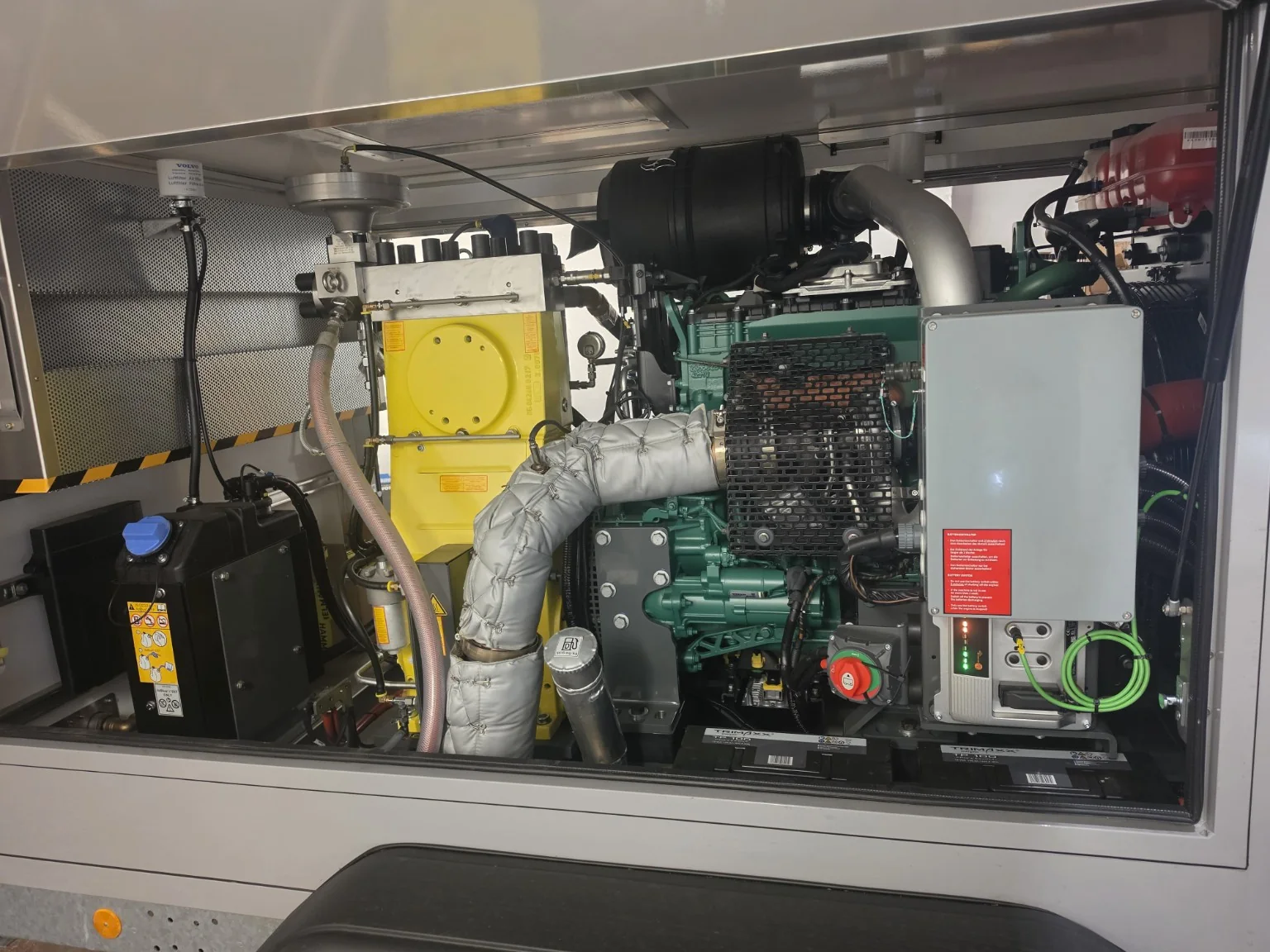
The plant behind the water-jetting method.
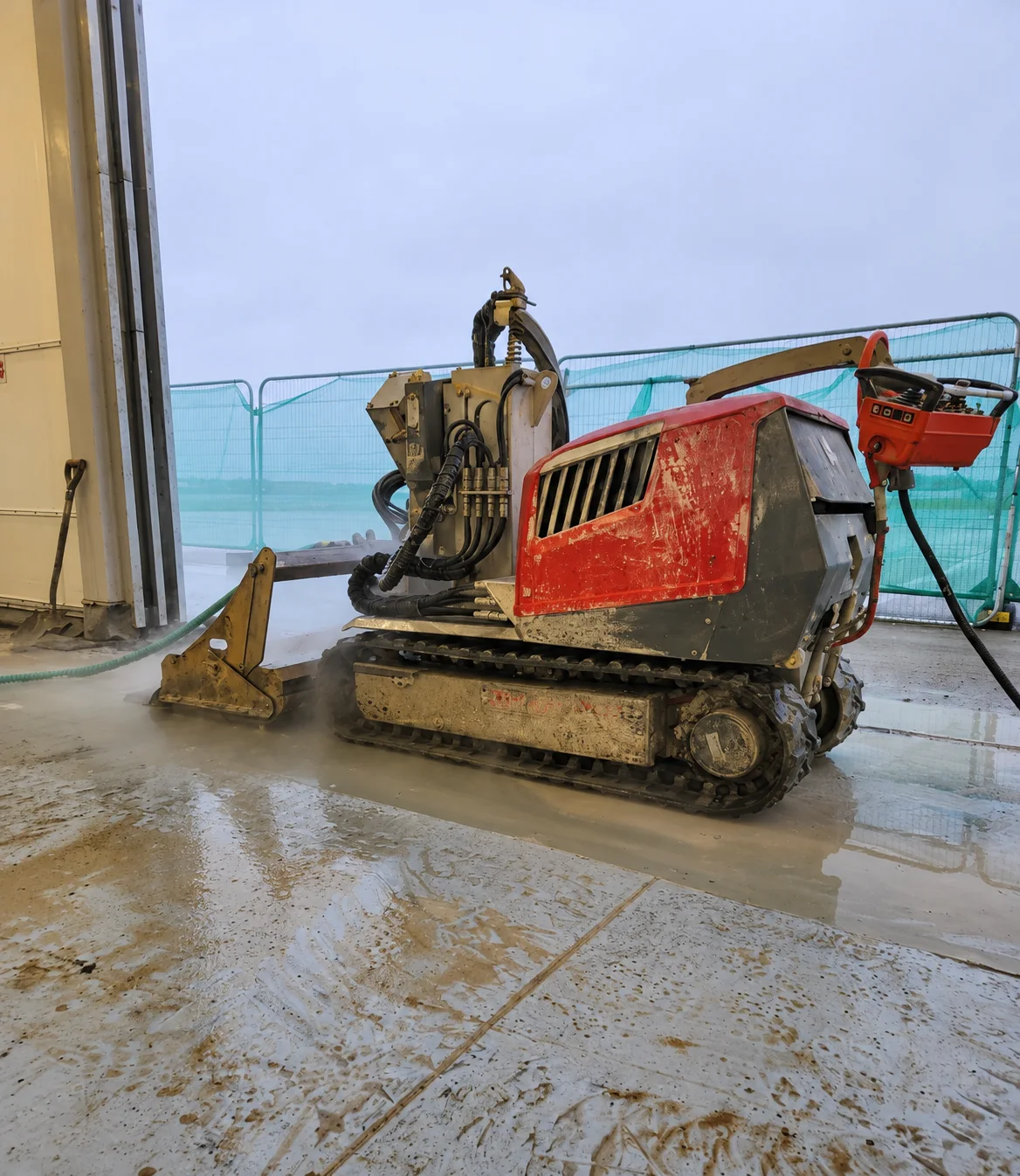
Equipment selected to suit the workface.
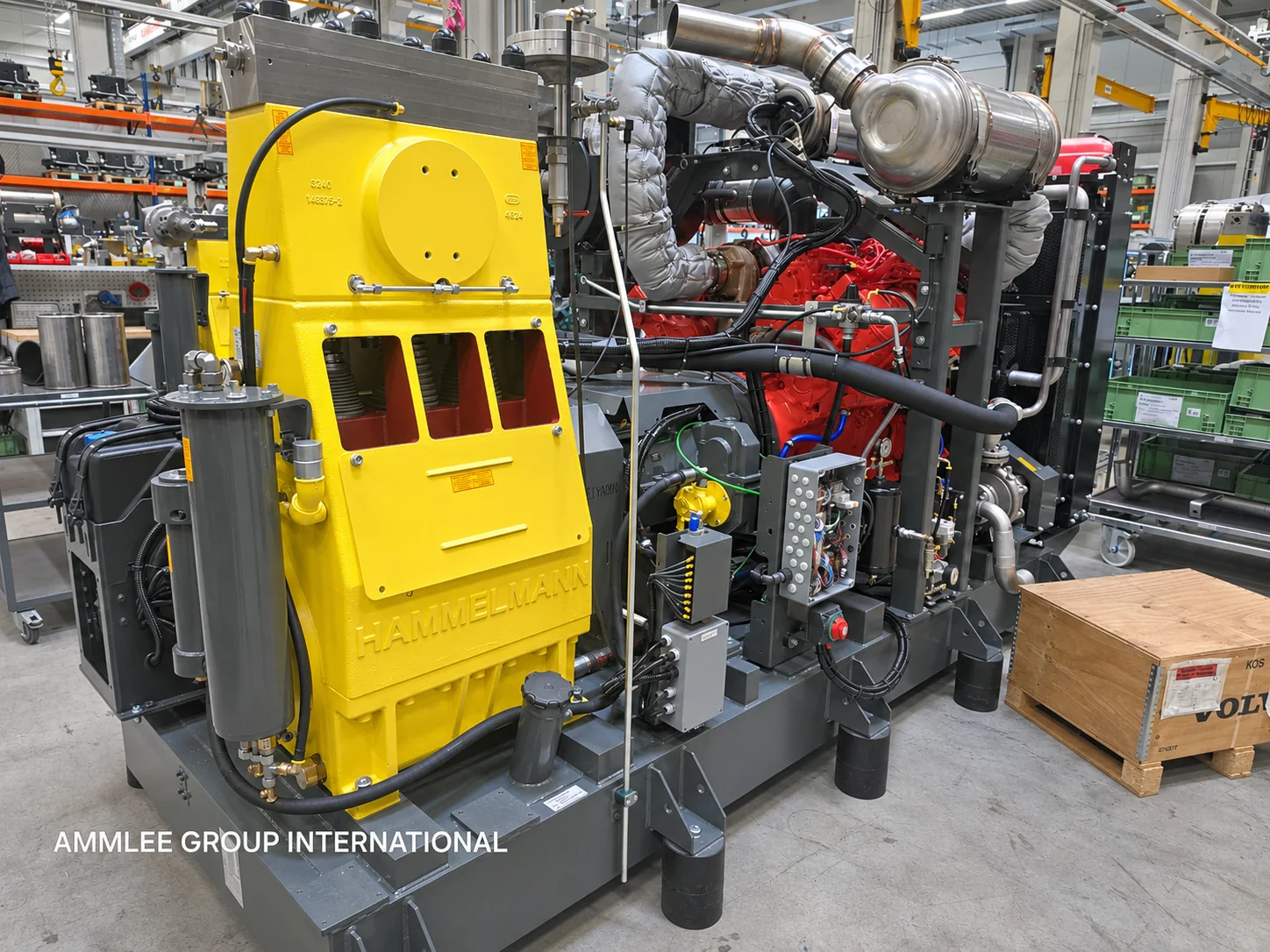
High-pressure water-jetting technology.
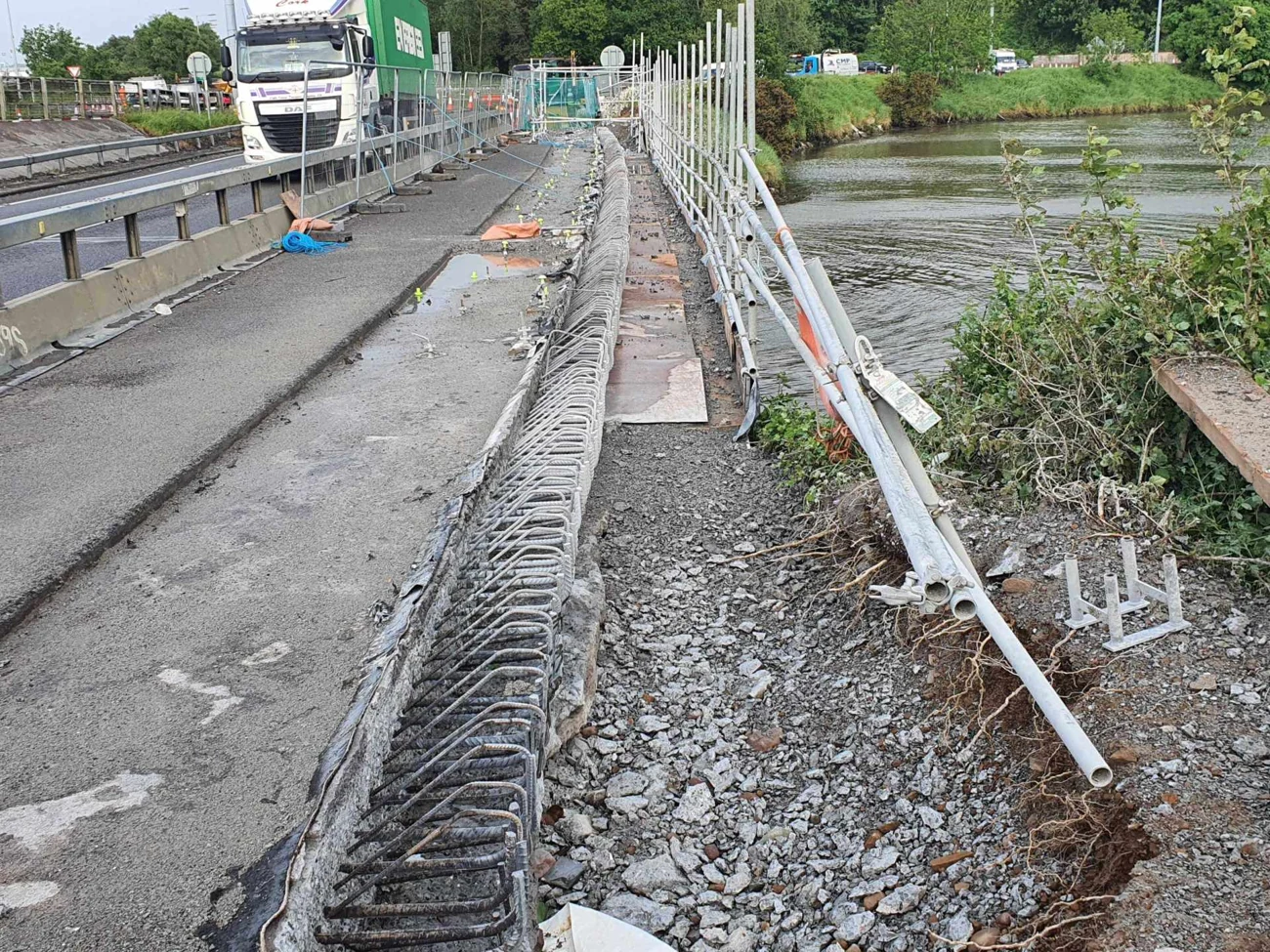
On an Irish bridge rehabilitation project, Ammlee used robotic and hand-lance hydrodemolition to remove defective parapet concrete.
Protective barriers contained debris and contaminated water was captured for treatment.
13.75 m³ of concrete removed
Approximately 18.0 cubic yards.
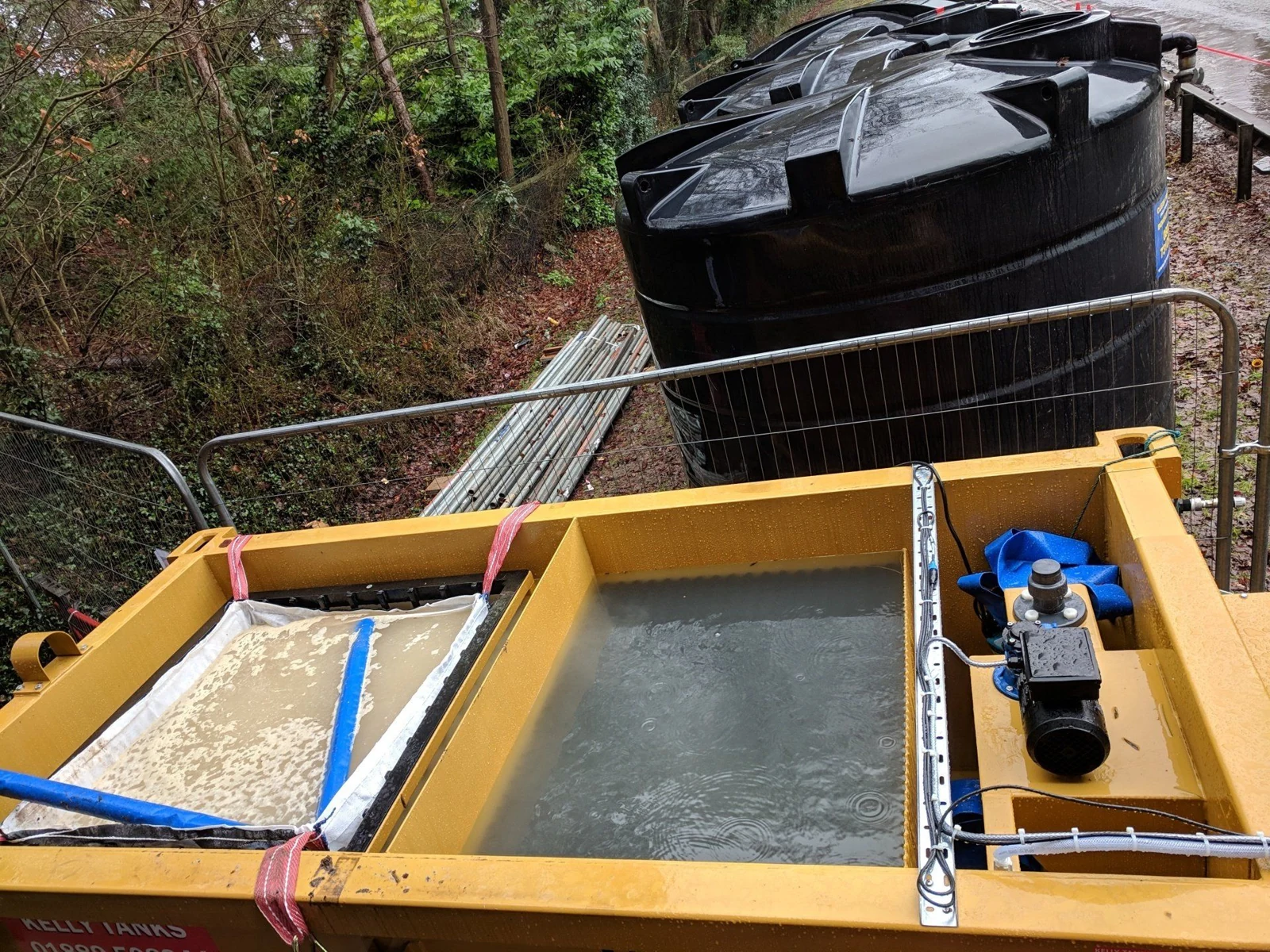
Collection, solids separation, pH management and reuse where suitable are part of planning the removal method.
Containment and the authorized disposal or discharge route are agreed for the site before jetting starts. Treatment alone does not authorize discharge.
Ammlee is a certified carbon-neutral business.
Discuss your site requirements →A useful proposal starts with the complete repair scope. Send the information below so removal, reinstatement and site logistics can be reviewed together.
Project city and state, marked-up plans, removal areas and depths, reinforcement details and any structural or access restrictions. Feet, inches and cubic yards are welcome.
Repair materials or mix requirements, reinforcement treatment, replacement thickness, finish, curing and testing requirements. Include sprayed concrete details where specified.
Target dates, working hours, access and lifting arrangements, water supply, containment and the accepted water disposal route. Mobilization and delivery are assessed for the project.
Budgeting or tendering? Tell us the project stage and which parts of the package you need priced.
Send Your Project DetailsWorking in feet and inches? We are too. Estimate a rectangular removal volume, then bring the dimensions into your project enquiry.
Estimate volume only. Actual quantities depend on surveyed dimensions and agreed removal limits. Concrete condition, reinforcement and access determine the method and production rate.
9.44 m³ equivalent
The details that matter to estimators, engineers and general contractors.
Shotcrete is the commonly used American term for pneumatically applied concrete. It can be used for repair and rehabilitation where suitable for the structure and specification.
Yes. Send the full package, including hydrodemolition, repair materials, replacement concrete and any sprayed concrete requirements. The scope, application method and delivery arrangements are agreed for the project.
Send drawings, repair areas and depths, specified materials or mix requirements, reinforcement details, access, target finish, curing and testing requirements, and the construction schedule.
Hydrodemolition removes concrete using high-pressure water. It also prepares the remaining surface for repair, avoiding the impact-induced microcracking associated with percussive removal.
Hydrodemolition can expose reinforcing steel without cutting it. Congested bars can leave concrete shadows that need further treatment. The engineer determines what steel is retained and the required clearance.
We review removal quantities and depths, repair materials, shotcrete requirements, reinforcement, access and schedule alongside mobilization, curing, testing and water management. The measurement and pricing basis are agreed for the scope.
Concrete strength and variability, aggregate, target depth, rebar density, access and the selected equipment all affect output. A trial area can establish suitable settings and support realistic production planning.
The collection and treatment plan must suit the site and applicable local requirements. Concrete fines and elevated pH require consideration. Treatment does not automatically authorize discharge; an accepted disposal or discharge route must be agreed.
A qualified engineer must assess removal limits and any shoring needs. Post-tensioned structures and tendon anchorages require particular assessment because water ingress or loss of support can create serious risks.
Ammlee Group International is based in Northern Ireland, with established UK and Ireland project experience. We are reviewing selected U.S. opportunities. Delivery arrangements and mobilization are assessed individually before any commitment.
Send your drawings, repair specification, location and schedule. Tell us whether you need hydrodemolition, concrete repairs, sprayed concrete or a combined package.
neal@ammleegroup.comBased in Northern Ireland.
International expertise. U.S. project enquiries.